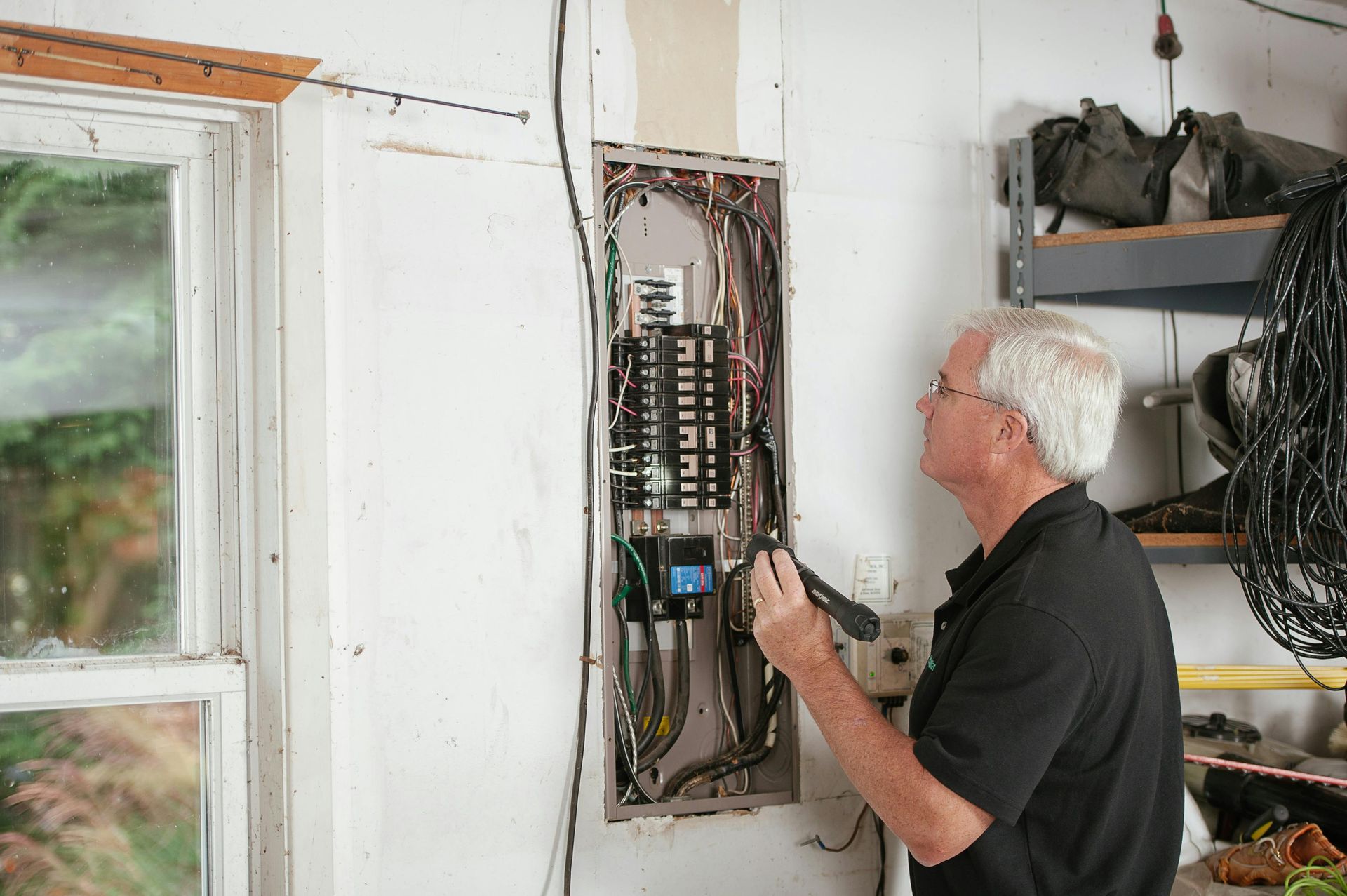
Essential Guide to Hiring a Warehouse Electrical Installer
Electrical systems are the backbone of warehouse operations. From lighting and power distribution to machinery and safety systems, a properly designed and installed electrical system ensures productivity, safety, and compliance with regulations. Hiring the right warehouse electrical installer is essential to avoid costly mistakes, downtime, and safety hazards.
This guide provides a detailed overview for business owners, facility managers, and industrial operators on how to find, evaluate, and hire a qualified warehouse electrical installer.
Key Takeaways
- Proper installation of electrical systems in warehouses ensures safety and operational efficiency.
- Licensed and experienced installers reduce the risk of code violations and downtime.
- Planning and understanding your facility’s power needs is crucial before hiring.
- Reviewing references and past projects helps ensure quality work.
- Safety protocols and compliance with electrical codes are essential.
- Clear communication and a detailed contract prevent misunderstandings during the project.
Understanding the Role of a Warehouse Electrical Installer
A warehouse electrical installer specializes in designing, installing, and maintaining electrical systems for industrial and commercial storage facilities. Unlike residential electricians, warehouse installers must handle higher voltage equipment, complex lighting systems, and large-scale power distribution.
Key Responsibilities
- Installing main power feeds and circuit panels
- Wiring for lighting, HVAC, and machinery
- Installing emergency and safety systems
- Ensuring compliance with local electrical codes
- Troubleshooting and maintaining existing electrical infrastructure
Warehouse installations require both technical expertise and an understanding of industrial workflow. Choosing the right installer ensures that your facility operates safely and efficiently.
Assessing Your Warehouse’s Electrical Load Requirements
Understanding your warehouse’s electrical load is critical for a safe and efficient installation. Overloading circuits can cause failures, downtime, or safety hazards.
Steps to Assess Load Requirements
- Calculate the total wattage of lighting, machinery, HVAC, and other equipment
- Consider peak demand periods
- Factor in future expansion or additional machinery
- Consult with your installer to verify calculations
- Plan for redundancy and emergency circuits
Proper load assessment ensures that the electrical system can handle current operations and future growth.
Creating a Detailed Project Scope for Electrical Installation
A clear project scope outlines expectations, responsibilities, and deliverables for both the installer and the facility owner.
Key Elements of a Project Scope
- Detailed list of electrical systems to be installed or upgraded
- Timeline for each stage of the project
- Budget breakdown including labor and materials
- Specific safety and compliance requirements
- Defined roles and responsibilities of each party
A thorough project scope reduces misunderstandings and keeps the project on schedule.
Budget Planning for Warehouse Electrical Projects
Budgeting is one of the most important steps in planning a warehouse electrical project. Adequate planning helps avoid cost overruns and ensures resources are allocated properly.
Budgeting Tips
- Obtain multiple quotes from licensed installers
- Include contingencies for unexpected issues
- Prioritize critical systems like lighting, machinery circuits, and safety equipment
- Factor in long-term maintenance costs
- Review financing options if necessary
A detailed budget ensures that the project is completed efficiently without compromising quality.
Timeline Planning: Scheduling Installation Around Operations
Warehouse operations often run on tight schedules. Electrical installation must be planned to minimize disruptions.
Scheduling Strategies
- Identify low-traffic periods for installation
- Coordinate work hours with facility operations
- Allow buffer time for inspections and unforeseen delays
- Communicate timeline clearly with staff and installer
- Adjust schedules as needed based on workflow demands
Effective timeline planning reduces downtime and ensures smooth project execution.
How to Find Qualified Warehouse Electrical Installers
Finding the right professional requires research and due diligence. Consider multiple sources to identify candidates.
Sources for Qualified Installers
- Industry directories and trade associations
- Recommendations from facility managers or other warehouse operators
- Online reviews and testimonials
- Local licensing boards or contractors’ associations
Choosing candidates with experience in similar facilities improves the likelihood of a smooth installation.
Evaluating Experience and Credentials
Not all electricians are equipped to handle industrial projects. Evaluating credentials is a critical step in the hiring process.
Credentials to Check
- State or local licensing for commercial electrical work
- Certifications for industrial electrical installation
- Liability and workers’ compensation insurance
- References from previous warehouse or industrial projects
Experienced installers should demonstrate knowledge of high-voltage equipment, power distribution, and industrial safety protocols.
Interviewing Potential Installers
Conducting interviews helps gauge an installer’s expertise and compatibility with your project.
Key Questions to Ask
- Have you installed electrical systems in warehouses of similar size?
- Can you provide references from previous commercial projects?
- How do you ensure compliance with electrical codes?
- What safety protocols do you follow on-site?
- How do you handle unexpected challenges during installation?
Clear communication at this stage helps set expectations and ensures alignment with your facility’s needs.
Requesting and Comparing Quotes
After identifying potential installers, request detailed quotes. Comparing proposals allows you to evaluate both cost and services offered.
Elements of a Comprehensive Quote
- Labor and material costs
- Estimated project timeline
- Breakdown of tasks and responsibilities
- Warranty or service guarantees
- Safety and compliance measures
Avoid choosing solely based on price; quality, safety, and reliability are equally important.
Checking References and Past Work
References and previous projects provide insight into an installer’s reliability, expertise, and professionalism.
Tips for Checking References
- Ask for contact information of past clients
- Visit completed projects if possible
- Inquire about timeliness, communication, and adherence to budget
- Request details about challenges encountered and solutions provided
This step reduces the risk of hiring an installer who cannot meet expectations.
Understanding Warehouse Electrical Systems
Warehouse systems can vary significantly depending on operations. Understanding the basics helps you communicate effectively with installers.
Common Components
| Component | Function |
|---|---|
| Main service panel | Distributes power throughout the facility |
| Subpanels | Localized distribution for specific areas |
| Lighting systems | General, task, and emergency lighting |
| Machinery circuits | Dedicated circuits for high-demand equipment |
| Safety systems | Fire alarms, emergency lighting, and backup power |
Familiarity with these components ensures installers design systems that meet operational demands.
Planning for Safety and Compliance
Safety and code compliance are critical in warehouse electrical work. Improper installations can cause hazards and regulatory issues.
Key Safety Measures
- Regular inspections during installation
- Use of proper grounding and surge protection
- Compliance with NEC (National Electrical Code) and OSHA guidelines
- Lockout/tagout procedures for maintenance
- Fire-resistant materials and conduit systems
Ensuring safety from the outset protects employees, equipment, and the facility itself.
Preparing Your Facility for Installation
A smooth installation requires preparation. Clear communication with the installer ensures readiness.
Pre-Installation Checklist
- Clear pathways and workspaces
- Provide existing electrical schematics if available
- Identify equipment and areas requiring power
- Notify employees of potential disruptions
- Confirm access to utility panels and service areas
Preparation minimizes delays and ensures the installation proceeds efficiently.
Managing Project Timeline and Budget
Managing time and budget is crucial for warehouse projects.
Tips for Project Management
- Set realistic start and completion dates
- Include buffer time for unexpected issues
- Monitor progress and maintain communication with the installer
- Track expenses to avoid overruns
- Review milestones before authorizing payment
A structured approach reduces stress and ensures accountability.
Maintenance and Post-Installation Services
After installation, ongoing maintenance ensures long-term reliability and efficiency.
Recommended Services
- Regular inspections of panels and circuits
- Testing emergency and backup systems
- Preventive maintenance on lighting and machinery circuits
- Troubleshooting and repair services
- Updating systems as facility demands change
A qualified installer often offers maintenance contracts to support facility operations.
Energy Efficiency Considerations
Efficient electrical systems reduce operating costs and environmental impact.
Efficiency Measures
- LED lighting and motion sensors
- Variable frequency drives (VFDs) for motors
- Energy-efficient transformers and distribution panels
- Smart monitoring and control systems
Discussing efficiency options with your installer can yield long-term savings.
Frequently Asked Questions
What qualifications should a warehouse electrical installer have?
Look for state licensing, commercial experience, industrial certifications, and insurance coverage.
How long does a typical warehouse electrical installation take?
It depends on facility size, complexity, and existing infrastructure, but installers usually provide a detailed timeline.
Can the installation be done without disrupting warehouse operations?
With planning and communication, most installers can schedule work to minimize disruption, often during off-hours.
How do I know if the system is compliant with electrical codes?
Licensed installers follow NEC guidelines, local regulations, and safety standards. Request documentation and inspection reports.
Should I hire an installer for maintenance as well?
Yes. Many installers offer maintenance contracts to ensure long-term safety and efficiency.
Final Thoughts
Hiring the right
warehouse electrical installer is a critical decision for the safety, efficiency, and productivity of your facility. By understanding your electrical needs, evaluating credentials, checking references, and planning for safety and efficiency, you can ensure a successful installation.
A professional installer not only completes the project but also supports long-term maintenance, compliance, and energy efficiency.
If you are planning a warehouse electrical project, contact our team of licensed and experienced warehouse electrical installers.
Reference:
https://www.plelectric.us/news/warehousing-distribution-manufacturing/warehouse-electrical-services-that-keep-your-operations-running