Electrical Safety Tips for Maryland Homeowners
Electrical safety remains a critical concern for homeowners across Maryland, with proper precautions making the difference between a secure home and a potential disaster. Understanding basic electrical safety principles and knowing when to contact professionals for electrical repair help protect your family while preventing costly damage to your property. Maryland homeowners benefit from following established safety guidelines that address common hazards and ensure compliance with state electrical codes.
Key Takeaways
- Regular electrical inspections by qualified professionals prevent most residential electrical hazards
- GFCI outlets are required in specific areas of Maryland homes and provide essential shock protection
- Overloaded outlets and extension cord misuse contribute to thousands of residential fires annually
- Professional electricians should handle all major electrical repairs and installations
- Warning signs like flickering lights or warm outlets require immediate professional attention
- Proper appliance usage and cord maintenance significantly reduce electrical fire risks
Understanding Your Home's Electrical System
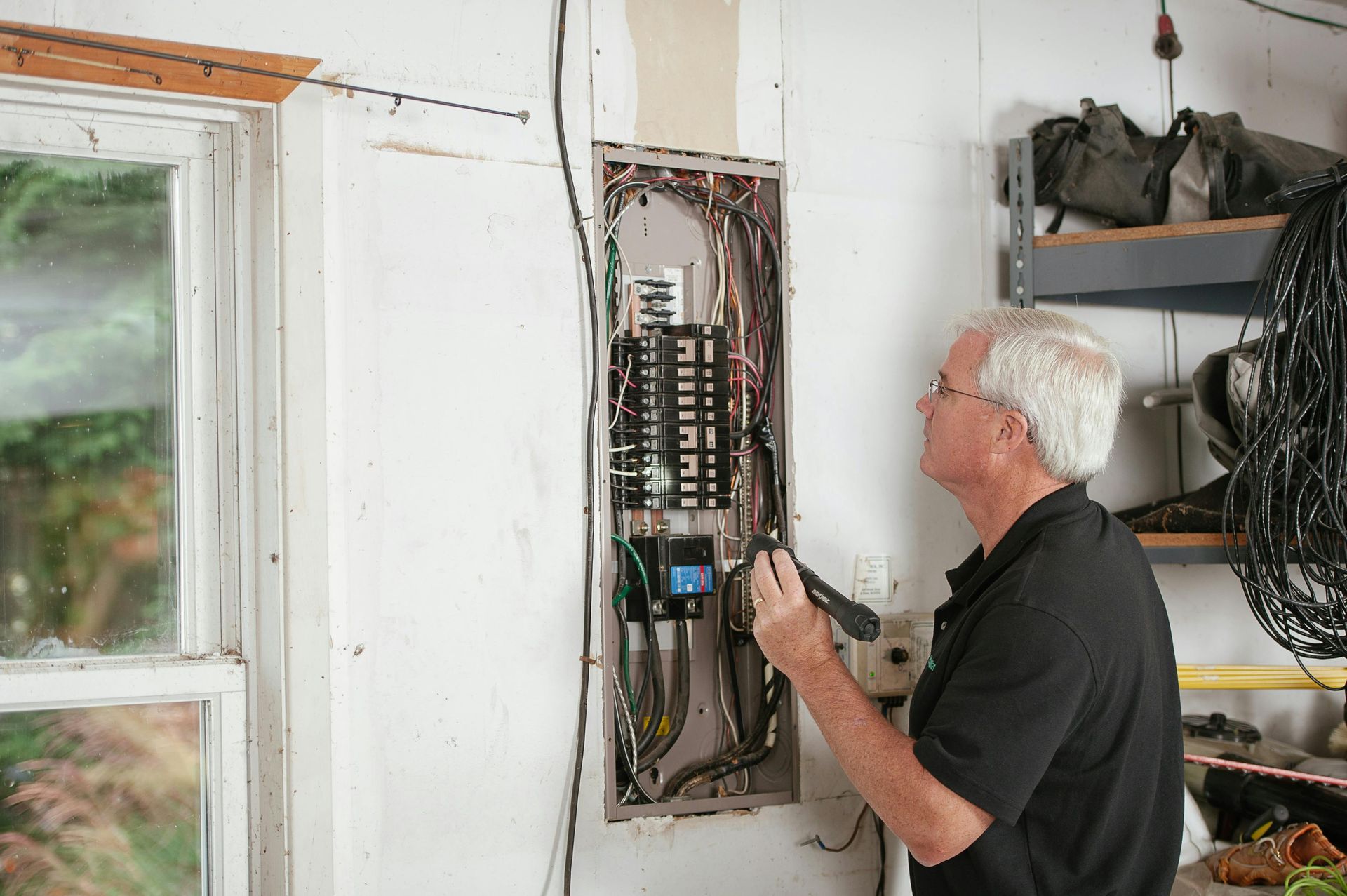
The electrical system forms the backbone of your home, powering everything from lighting to essential appliances. The electrical panel, commonly called the breaker box, distributes electricity throughout your home via dedicated circuits. Each circuit has a specific capacity, and exceeding that limit triggers safety devices designed to prevent overheating and fires.
Maryland follows the National Electrical Code (NEC) with the 2017 edition currently in effect. Local jurisdictions may enforce additional requirements, making professional consultation valuable for major electrical work. Understanding your electrical panel location and circuit labels is important during emergencies or when troubleshooting power issues.
Circuit breakers act as safety switches that automatically shut off power when circuits become overloaded. If breakers trip frequently, this indicates underlying problems that require professional evaluation. Never ignore repeated tripping, as this warning sign often precedes more serious electrical issues.
Essential GFCI Protection Requirements
Ground Fault Circuit Interrupters (GFCIs) provide crucial protection against electrical shock by monitoring current flow and shutting off power when imbalances occur. Maryland electrical codes mandate GFCI protection in specific areas where water and electricity might interact.
Required GFCI Locations:
- All bathroom outlets
- Kitchen outlets within 6 feet of sinks
- Outdoor outlets
- Garage outlets
- Basement outlets
- Laundry room outlets near water sources
GFCI outlets feature test and reset buttons that should be checked monthly. Press the test button to ensure the outlet shuts off power, then press reset to restore function. If GFCIs fail testing or won't reset, contact a qualified electrician immediately for replacement.
Professional installation ensures proper GFCI protection throughout your home. While some homeowners attempt DIY GFCI installation, incorrect wiring can create dangerous situations that compromise the protection these devices provide.
Outlet Safety and Load Management
Electrical outlets handle specific loads safely, but overloading creates fire hazards that threaten homes and families. Modern homes require more electrical capacity than older systems typically provide, leading to dangerous workarounds that increase risks.
Safe Outlet Practices:
- Avoid plugging multiple high-wattage appliances into single outlets
- Replace warm or discolored outlet covers immediately
- Install additional outlets rather than relying on extension cords permanently
- Use power strips with built-in surge protection for electronics
- Ensure outlet faceplates fit securely without gaps
Heat-producing appliances like toasters, coffee makers, and space heaters should have dedicated outlets. Never use extension cords for major appliances such as refrigerators, washers, or dryers. These appliances require direct wall connections to handle their electrical demands safely.
Signs of outlet problems include burning odors, sparks when plugging in devices, or outlets that feel warm to the touch. These warning signs indicate that immediate professional intervention is necessary to prevent electrical fires.
Electrical Cord Safety and Maintenance
Extension cords serve temporary purposes but become dangerous when used as permanent wiring solutions. Regular inspection and proper usage prevent most cord-related accidents and fires.
Cord Safety Guidelines:
- Inspect cords monthly for fraying, cracking, or damage
- Replace damaged cords immediately rather than attempting repairs
- Never run cords under rugs or through doorways
- Avoid overloading cords beyond their rated capacity
- Store cords properly to prevent damage
- Keep cords away from heat sources and moisture
Cord ratings indicate maximum safe loads, with 16 AWG handling up to 1,375 watts and heavier 14 or 12 AWG cords supporting higher loads. Match cord capacity to intended use and replace undersized cords that might overheat under normal operation.
Permanent installations require proper wiring rather than extension cord solutions. Professional electricians can install additional outlets where needed, eliminating dangerous temporary wiring that creates ongoing hazards.
Appliance Safety Best Practices
Home appliances represent significant electrical loads that require proper installation and maintenance. Following manufacturer guidelines and recognizing warning signs prevents most appliance-related electrical problems.
Appliance Safety Measures:
- Read and follow all manufacturer instructions
- Unplug appliances before cleaning or maintenance
- Replace appliances that deliver electrical shocks
- Ensure proper ventilation around heat-generating appliances
- Schedule regular professional maintenance for major appliances
- Never use appliances with damaged cords or plugs
Older appliances may lack modern safety features and should be evaluated by professionals to ensure continued safe operation. Upgrading to newer, more efficient appliances often improves safety while reducing energy costs.
Kitchen appliances require special attention due to water proximity and high electrical demands. Ensure adequate clearance around appliances and never use electrical devices near sinks with wet hands.
Professional Electrical Services and When to Call
Recognizing when electrical work requires professional expertise protects homeowners from serious injuries and property damage. Licensed electricians possess the training and tools necessary to handle complex electrical systems safely.
Situations Requiring Professional Help
- Installing new outlets or circuits
- Upgrading electrical panels
- Wiring repairs or replacements
- GFCI installation and testing
- Troubleshooting persistent electrical problems
- Code compliance inspections
DIY electrical work often creates more problems than it solves, with improper installations causing fires, electrocution hazards, and code violations. Professional electricians ensure work meets Maryland electrical codes while providing warranties on their services.
When searching for home electrical service near me, verify licensing and insurance coverage. Quality electrical contractors provide detailed estimates, explain necessary work clearly, and stand behind their installations with comprehensive warranties.
Warning Signs That Demand Immediate Attention
Electrical systems provide warning signs before failures occur, giving homeowners opportunities to address problems before they become dangerous. Recognizing these signs and responding promptly prevents most electrical emergencies.
| Warning Sign | Potential Cause | Required Action |
|---|---|---|
| Flickering lights | Loose connections, overloaded circuits | Professional inspection |
| Burning odors | Overheated wiring, damaged components | Immediate electrical service |
| Warm outlets | Overloaded circuits, poor connections | Professional evaluation |
| Frequent breaker trips | Circuit overload, short circuits | Electrical repair needed |
| Mild electrical shocks | Grounding problems, damaged wiring | Urgent professional service |
| Buzzing sounds | Arcing, loose connections | Immediate attention required |
Never ignore electrical warning signs or attempt DIY repairs when safety is compromised. Professional electricians can quickly identify problems and implement safe solutions that protect your home and family.
Creating an Electrical Safety Plan
Developing a comprehensive electrical safety plan helps families respond effectively to electrical emergencies while preventing common hazards. Regular maintenance schedules and safety protocols reduce risks significantly.
Essential Safety Plan Elements:
- Monthly GFCI testing schedule
- Annual professional electrical inspections
- Emergency contact information for qualified electricians
- Location of electrical panel and main shutoff
- Fire extinguisher rated for electrical fires
- Family education on basic electrical safety
Emergency preparedness includes knowing how to safely shut off electrical power and when to call emergency services. Practice emergency procedures with family members to ensure everyone understands proper responses to electrical hazards.
Professional electrical inspections identify potential problems before they become dangerous. Maryland homeowners benefit from annual inspections that verify code compliance and identify aging components that need replacement.
Seasonal Electrical Safety Considerations
Maryland's changing seasons present unique electrical safety challenges that require specific attention throughout the year. Summer heat can stress electrical systems, while winter storms pose different hazards that homeowners must address proactively.
Summer Safety Concerns
High temperatures strain electrical systems as air conditioning units work harder to maintain comfortable indoor temperatures. Overloaded circuits become more likely during peak cooling periods when multiple appliances compete for electrical capacity. Professional evaluation ensures your electrical system can handle summer demands without compromising safety.
Outdoor electrical safety becomes critical during Maryland's humid summers. Pool equipment, outdoor lighting, and entertaining areas require proper GFCI protection and weatherproof installations. Regular inspection of outdoor outlets and extension cords prevents moisture-related electrical hazards.
Winter Electrical Challenges
Winter brings unique electrical safety concerns, including space heater usage, holiday lighting, and storm-related power issues. Space heaters should never share outlets with other devices and require dedicated circuits to prevent overloading. Professional wiring repair near me becomes essential after severe weather damages outdoor electrical components.
Ice storms and heavy snow can damage overhead power lines and outdoor electrical equipment. Homeowners should inspect outdoor lighting and outlet covers after severe weather, replacing any damaged components immediately. Professional assessment helps identify storm damage that might not be immediately visible.
Electrical Safety for Different Areas of Your Home
Different areas of your home present unique electrical safety challenges that require specific attention and safety measures. Understanding these area-specific requirements helps create comprehensive protection throughout your living space.
Kitchen Electrical Safety
Kitchens contain the highest concentration of electrical appliances and water sources, making proper electrical safety critical. Maryland code requires GFCI protection for all outlets within 6 feet of sinks, with at least two dedicated 20-amp circuits serving countertop areas. Never use electrical appliances near water sources or with wet hands.
Large kitchen appliances require dedicated circuits to prevent overloading. Refrigerators, dishwashers, garbage disposals, and microwave ovens should each have their own circuit. Professional electrical repair Elkton specialists can evaluate your kitchen's electrical capacity and upgrade circuits as needed.
Bathroom Electrical Precautions
Bathroom electrical safety centers on managing water and electricity proximity. All bathroom outlets must have GFCI protection, with outlets located away from direct water exposure. Hair dryers, electric razors, and other personal care appliances should never be used near filled sinks or bathtubs.
Bathroom lighting requires proper moisture ratings and secure installation. Exhaust fans help reduce humidity that can affect electrical components over time. Professional installation ensures bathroom electrical work meets Maryland's strict safety codes.
Basement and Garage Safety
Basements and garages present unique challenges, including moisture exposure, concrete floors, and tool usage. GFCI protection is required for most basement and garage outlets, particularly those used for power tools and equipment. Proper grounding becomes essential in these areas where concrete provides additional shock hazards.
Workshop areas require adequate electrical capacity for power tools and equipment. Professional electrician Elkton MD services can install appropriate circuits and outlets for workshop needs. Never use indoor extension cords in damp basement areas or outdoor-rated cords for permanent indoor installations.
Understanding Electrical Permits and Code Compliance
Maryland electrical work requires permits for most installations and modifications to ensure safety and code compliance. Understanding when permits are necessary protects homeowners from legal issues and ensures work meets current safety standards.
When Permits Are Required
- Installing new circuits or outlets
- Upgrading electrical panels or services
- Installing whole-house surge protectors
- Adding subpanels or distribution boards
- Installing electric vehicle charging stations
Professional electrical contractors handle permit applications and inspections, ensuring work meets Maryland's electrical codes. Licensed electricians understand local requirements and can navigate the permit process efficiently while ensuring full code compliance.
Code compliance protects homeowners from insurance issues and ensures safe electrical installations. Non-permitted electrical work can create liability problems and may require costly corrections during home sales or insurance claims.
Frequently Asked Questions
When should I call an electrician for home electrical service near me?
Call a professional electrician immediately if you experience electrical shocks, burning odors, or frequent breaker trips. Professional service is also necessary for installing new outlets, upgrading panels, or any wiring work beyond basic maintenance.
How often should GFCI outlets be tested in Maryland homes?
Test GFCI outlets monthly using the test and reset buttons to ensure proper function. Replace any GFCI devices that fail testing or show signs of damage, as they provide essential shock protection in areas where water and electricity might interact.
What are signs that my electrical panel needs upgrading?
Frequent breaker trips, flickering lights throughout the house, or reliance on extension cords indicate your electrical panel may need upgrading. A professional evaluation determines whether your current panel meets your home's electrical demands safely.
Can I install additional outlets myself in Maryland?
Maryland electrical work requires permits and professional installation for new outlets and circuits. While some minor repairs might be possible, adding outlets involves code compliance issues best handled by licensed electricians with local expertise.
What should I do if an outlet feels warm or shows scorch marks?
Stop using the outlet immediately and contact a professional electrician for evaluation and repair. Warm outlets or scorch marks indicate dangerous conditions that could lead to electrical fires without prompt professional attention.
Final Thoughts
Electrical safety protects Maryland families while preserving property values through proper maintenance and professional oversight. Understanding basic safety principles, recognizing warning signs, and knowing when to call qualified professionals creates a foundation for electrical safety that serves homeowners throughout their time in their homes. Regular maintenance, proper usage habits, and prompt professional attention to problems ensure electrical systems remain safe and reliable for years to come.
Flickering lights? Warm outlets? Call our experienced electricians immediately.
Reference:
https://www.engineeringtoolbox.com/wire-gauges-d_419.html